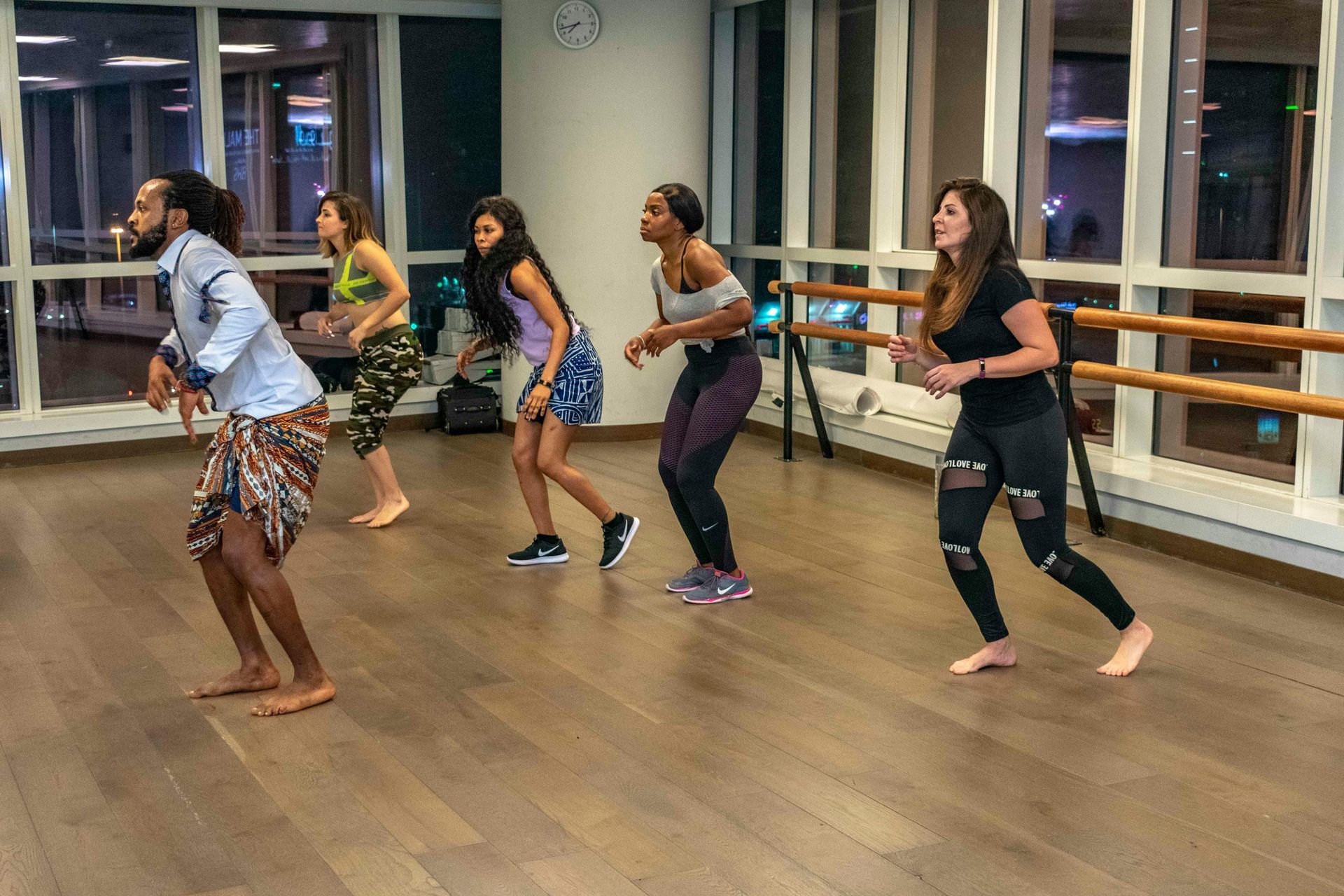
How Practicing Regularly Improves Partner Dancing
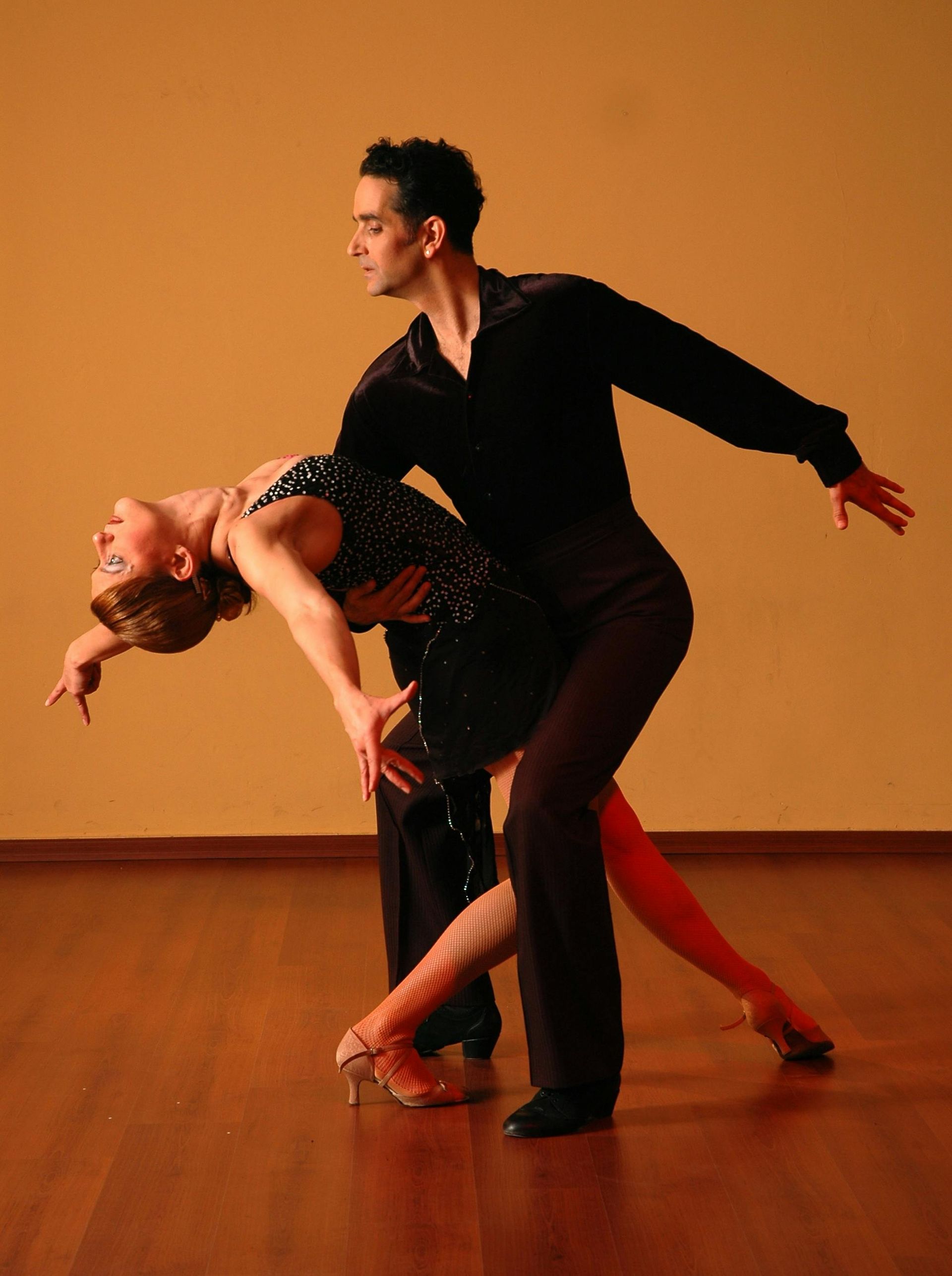
Partner dancing is one of the most enjoyable ways to combine movement, music, and social connection. Whether someone is learning salsa, ballroom, swing, or another partner style, one factor consistently supports progress: practicing regularly.
Many dancers focus on attending classes, which are important for learning new steps and concepts. However, improvement often happens during consistent practice outside of class. Regular practice helps dancers refine technique, develop muscle memory, and build confidence on the dance floor.
Progress in partner dancing is rarely about talent alone. Instead, it often reflects how frequently dancers repeat movements, apply feedback, and become comfortable dancing with different partners. With a steady practice routine, many dancers notice smoother movement, better timing, and stronger communication with their partners.
This article explores how practicing regularly supports faster progress in
partner dancing and offers practical ideas for making practice both effective and enjoyable.
Key Takeaways
- Regular practice helps build muscle memory so dance movements become more natural over time.
- Practicing consistently strengthens timing, rhythm, and coordination with music.
- Repetition allows dancers to refine technique and improve overall movement quality.
- Dancing frequently with different partners builds communication and adaptability.
- Short, frequent practice sessions are often more effective than occasional long sessions.
- Consistent practice supports confidence, comfort, and social enjoyment on the dance floor.
Why Consistency Matters in Partner Dancing
Learning partner dancing involves coordinating several skills at the same time. Dancers need to understand steps, follow musical rhythm, maintain posture, communicate with a partner, and move smoothly through space.
Because these elements work together, improvement tends to come gradually through repetition. Practicing regularly allows the body and mind to absorb movements more naturally.
Consistency helps dancers:
- Reinforce techniques learned in class
- Improve coordination and balance
- Develop awareness of body movement
- Become more comfortable leading or following
Even short practice sessions throughout the week can reinforce learning. Instead of trying to memorize everything during a class, dancers benefit from revisiting movements several times over multiple days.
Building Muscle Memory Through Repetition
One of the most important benefits of regular practice is the development of muscle memory. In dance, muscle memory refers to the body’s ability to perform movements automatically after repeating them many times.
When dancers first learn a new pattern, they often think carefully about each step. With repeated practice, the body gradually remembers the movement sequence without requiring constant mental effort.
Muscle memory supports faster progress because it allows dancers to:
- Focus on musical interpretation
- Pay attention to the partner connection
- Improve style and expression
- React more naturally to changes
For example, a beginner learning a basic salsa step may initially concentrate on foot placement. After practicing regularly, the step becomes automatic, allowing the dancer to focus more on timing, turns, and partner communication.
Strengthening Timing and Musical Awareness
Music plays a central role in partner dancing. Developing a sense of rhythm takes time, and regular practice helps dancers become more comfortable moving with the beat.
Practicing with music allows dancers to:
- Recognize common rhythm patterns
- Improve step timing
- Understand musical phrasing
- Adjust movement speed
Many instructors encourage dancers to practice with different songs to build musical flexibility. Exposure to varied tempos and styles helps dancers adapt their movements more easily during social dancing.
Over time, consistent practice supports a stronger connection between movement and music.
Improving Partner Communication
Partner dancing is a collaborative activity that requires communication through movement. Leaders and followers exchange signals using frame, pressure, and body positioning.
Regular practice helps dancers better understand these subtle cues.
Benefits of practicing partner communication include:
- Smoother lead and follow interactions
- Clearer signals for turns and direction changes
- Greater comfort dancing with unfamiliar partners
- Reduced hesitation during transitions
Practicing with multiple partners can also improve adaptability. Each dancer has slightly different timing, energy, and movement style. Regular exposure to different partners helps dancers adjust and respond more effectively.
Refining Technique and Movement Quality
Technique plays a key role in partner dancing. Good technique supports balance, efficiency, and comfort for both dancers.
During practice, dancers can focus on improving details such as:
- Posture and alignment
- Foot placement
- Weight transfer
- Frame and connection
Without practice, small technical issues may become habits. Regular repetition allows dancers to correct movements early and build stronger fundamentals.
Technique improvements often occur gradually. Dancers may notice smoother movement and greater control after repeating patterns many times.
The Difference Between Practicing and Just Dancing
While social dancing is enjoyable and valuable for experience, practice sessions serve a slightly different purpose. Practice focuses on repetition, experimentation, and improvement.
The table below highlights common differences.
| Activity | Focus | Benefits |
|---|---|---|
| Practice Session | Repeating specific movements | Improves technique and muscle memory |
| Social Dancing | Enjoying music and partner interaction | Builds confidence and adaptability |
| Class Instruction | Learning new patterns | Introduces concepts and guidance |
Both practice and social dancing are useful. Combining them often helps dancers progress more comfortably.
Creating an Effective Practice Routine
Regular practice does not have to be complicated. Even simple routines can support steady improvement.
Many dancers benefit from short sessions spread throughout the week.
Helpful practice strategies include:
1. Practice Basics First
Fundamental steps form the foundation of most partner dances. Practicing basic movements regularly helps reinforce rhythm and balance.
2. Repeat New Patterns Slowly
Breaking down patterns into smaller parts allows dancers to focus on accuracy before increasing speed.
3. Practice Without Music Sometimes
Dancing slowly without music helps dancers pay attention to technique and movement control.
4. Add Music for Timing
Once movements feel comfortable, practicing with music improves rhythm and coordination.
5. Practice Solo When Needed
Even partner dances can benefit from solo practice. Dancers can review footwork, spins, and posture independently.
The Role of Feedback in Practice
Feedback is another important part of improving through practice. Guidance from instructors or experienced dancers helps identify areas for adjustment.
During practice, dancers may receive feedback about:
- Frame and posture
- Timing with music
- Lead and follow clarity
- Movement smoothness
Constructive feedback allows dancers to refine movements gradually.
Some dancers also record practice sessions to observe posture and movement patterns. Watching a video can reveal details that may not be obvious while dancing.
Staying Motivated to Practice Regularly
Maintaining a regular practice routine can sometimes be challenging. However, a few strategies can make practice more enjoyable and sustainable.
Helpful motivation tips include:
- Practicing with friends or classmates
- Setting small learning goals
- Attending practice socials or open dance sessions
- Exploring different music styles
Many dancers find that consistent practice becomes easier once it becomes part of a weekly routine.
Even brief practice sessions can reinforce learning and maintain momentum.
Frequently Asked Questions
How often should I practice partner dancing?
Many dancers find it helpful to practice several times per week, even if sessions are short. Consistent repetition helps reinforce movements learned in class.
Can I practice partner dancing without a partner?
Yes. Solo practice can help improve footwork, posture, balance, and timing. Many dancers review patterns individually before practicing with a partner.
Does social dancing count as practice?
Social dancing provides valuable experience and helps dancers apply what they have learned. However, focused practice sessions allow more repetition and technique improvement.
How long should a practice session be?
Practice sessions can vary in length. Some dancers practice for 20 to 30 minutes, while others prefer longer sessions. Consistency is often more important than duration.
What should beginners focus on during practice?
Beginners often benefit from focusing on basic steps, rhythm, posture, and clear lead and follow communication before learning complex patterns.
Final Thoughts
Partner dancing is both an art and a skill that develops gradually over time. While classes introduce new movements and ideas, regular practice helps dancers truly absorb and refine what they learn.
Through consistent repetition, dancers strengthen muscle memory, improve musical timing, and develop clearer communication with their partners. These improvements often lead to smoother movement, greater confidence, and more enjoyable social dancing experiences.
Practicing regularly does not require long sessions or perfect conditions. Even small amounts of consistent effort can help dancers feel more comfortable on the dance floor.
Over time, regular practice becomes part of the rhythm of learning, helping dancers progress at their own pace while enjoying the social and creative aspects of partner dancing.
Ready to Improve Your Partner Dancing?
If you want to build confidence and progress more comfortably in partner dancing, consistent practice is one of the most helpful habits you can develop.
Join a local class, attend practice sessions, or dance socially whenever possible. The more often you move with music and connect with partners, the more natural the experience can become.
Start practicing regularly and enjoy the journey of improving your partner dancing skills while having fun on the dance floor.
Reference:
https://www.lamar.edu/fine-arts-communication/theatre-and-dance/news/golden-wrights-seven-tips-that-will-make-you-a-better-dance-partner.html